
Evidence of the dangers of contact sport is mounting, and now Canadian researchers report that playing sports like football or ice hockey can alter the structure and function of the brain.
Brain scans showed that these changes were particularly pronounced in sports that have the greatest risk of body contact.
“There is growing concern about the risk of collisions in sport. However, most of the research has focused on retired professional athletes with decades of exposure to head impacts,” said lead researcher Nathan Churchill. He’s a post-doctoral fellow in the neuroscience research program at St. Michael’s Hospital in Toronto.
“Far less is known about the consequences of repeated body-to-body contact for young, active athletes,” he said.
Churchill and his colleagues scanned the brains of 65 varsity athletes before the playing season began.
“None of the participants had a recent concussion or any major health issues,” Churchill said.
Among the young men and women in the study, 23 played collision sports, such as football and ice hockey, involving routine body-to-body contact.
Twenty-two played contact sports where contact is allowed but isn’t a necessary part of the game, such as basketball, soccer and field hockey. Twenty played non-contact sports, such as volleyball.
The brain scans showed that people who played collision and contact sports had differences in brain structure and function compared to people who took part in non-contact sports.
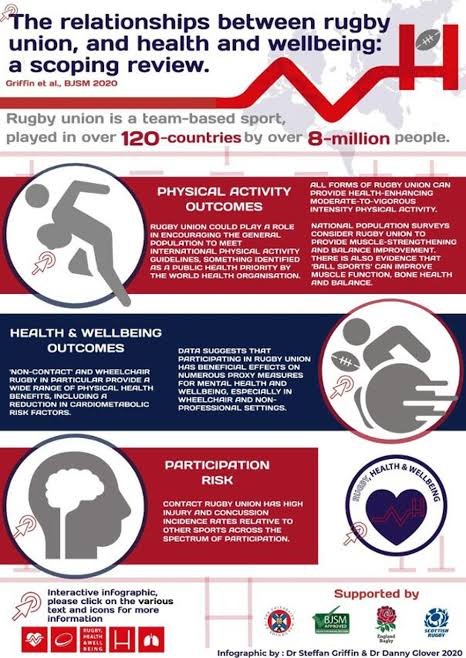
 A Mental game to Health and Fitness