

Introduce yourself and your blog
My name is Alexander Meluleki Adjah I’m a certified personal trainer and currently studying sports science at Eta College Pretoria. I’m totally addicted to health and fitness and I got a lot to unload from my fitness experience and lifestyle in the health and fitness industry. That is why I created “A Mental game to Health and Fitness” blog… it will be my way of speaking and passing on my knowledge and all that I have learnt over the past 7 years in the health and fitness industry. It has been a long and bumpy road with a lot of ups, downs and uncertainty but I am more in love with fitness like the first time I learnt how to work out and how to make programs that not only worked but that challenge your physical and mental limitations, pushing passed your limitations is where you learn more about yourself and you are able to see your true unfiltered self
My Latest Posts
• • •
- ARNOLD SCHWARZENEGGER MOTIVATION
- RICH PIANA MOTIVATION
- SURGE NUBRET MOTIVATION
- My top three role models
RICH PIANA

RICH PIANA SURGE NUBRET

SURGE NUBRET ARNOLD SCHWARZENEGGER

ARNOLD SCHWARZENEGGER 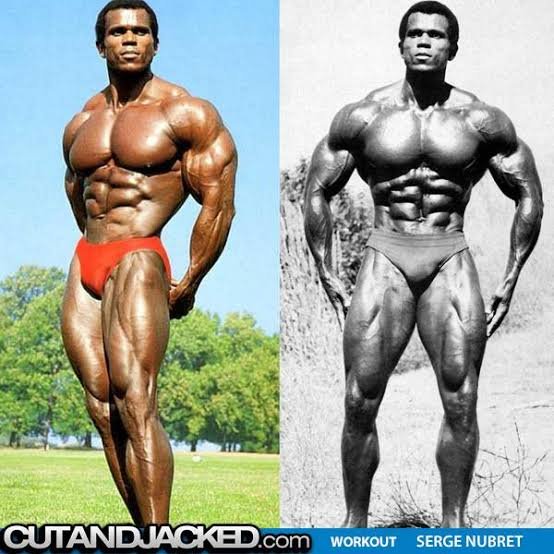
SURGE NUBRET - Arnold Schwarzenegger the face of Bodybuilding
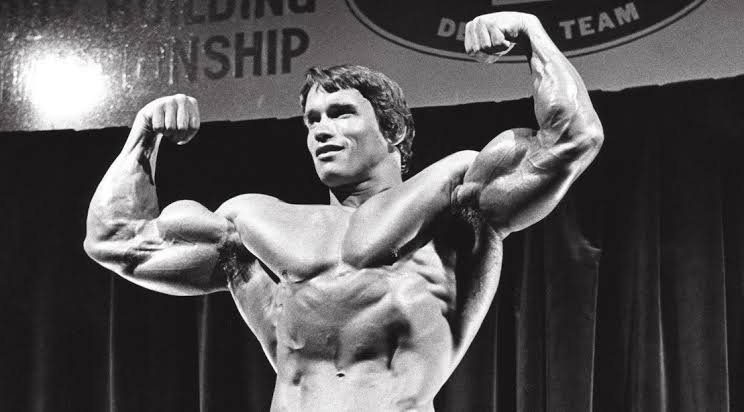
Schwarzenegger was nicknamed the “Austrian Oak” in his bodybuilding days, “Arnie” or “Schwarzy” during his acting career, and “The Governator” during his political career.
Schwarzenegger began lifting weights at the age of 15 and went on to win the Mr. Universe title at age 20, subsequently winning the Mr. Olympia contest seven times; he remains a prominent figure in bodybuilding, and has written many books and articles on it. The Arnold Sports Festival, considered the second-most important bodybuilding event after Mr. Olympia, is named after him.

After retiring from bodybuilding, Schwarzenegger gained worldwide fame as a Hollywood action film star. Having previously appeared in the bodybuilding documentary Pumping Iron (1977), his breakthrough film was the sword-and-sorcery epic Conan the Barbarian (1982), a box-office hit that resulted in a sequel in 1984. He then appeared as the title character in the critically and commercially successful sci-fi film The Terminator (1984), and subsequently played similar characters in the sequels Terminator 2: Judgment Day (1991), Terminator 3: Rise of the Machines (2003), Terminator Genisys (2015), and Terminator: Dark Fate (2019). He also starred in other successful action films such as Commando (1985), The Running Man (1987), Predator (1987), Total Recall (1990), and True Lies (1994), in addition to comedy films such as Twins (1988), Kindergarten Cop (1990), Junior (1994), and Jingle All the Way (1996), and one mixed action/thriller-based comedy, Red Heat (1988). He is the founder of the film production company Oak Productions.
Schwarzenegger began lifting weights at the age of 15 and went on to win the Mr. Universe title at age 20, subsequently winning the Mr. Olympia contest seven times; he remains a prominent figure in bodybuilding, and has written many books and articles on it. The Arnold Sports Festival, considered the second-most important bodybuilding event after Mr. Olympia, is named after him.
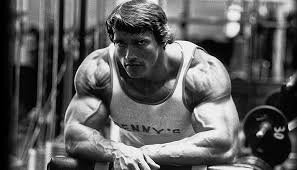
After retiring from bodybuilding, Schwarzenegger gained worldwide fame as a Hollywood action film star. Having previously appeared in the bodybuilding documentary Pumping Iron (1977), his breakthrough film was the sword-and-sorcery epic Conan the Barbarian (1982), a box-office hit that resulted in a sequel in 1984. He then appeared as the title character in the critically and commercially successful sci-fi film The Terminator (1984), and subsequently played similar characters in the sequels Terminator 2: Judgment Day (1991), Terminator 3: Rise of the Machines (2003), Terminator Genisys (2015), and Terminator: Dark Fate (2019). He also starred in other successful action films such as Commando (1985), The Running Man (1987), Predator (1987), Total Recall (1990), and True Lies (1994), in addition to comedy films such as Twins (1988), Kindergarten Cop (1990), Junior (1994), and Jingle All the Way (1996), and one mixed action/thriller-based comedy, Red Heat (1988). He is the founder of the film production company Oak Productions.
- Serge Nubret The Black Panther

Nubret was known for an unusual training regimen and an even more unusual diet, which often consisted of four pounds of horse meat per day. In March 2009, Nubret fell into a coma, unfortunately passing away on 19 April 2011 of natural causes.

In 1960 Nubret joined the International Federation of Bodybuilders, and was declared World’s Most Muscular Man in Montreal. Nubret kept improving, winning titles including NABBA Mr. Universe in 1976 (London), WBBG Pro. Mr. World and Mr. Olympus in 1977 (New York) and another World champion title in 1981 (Geneva). In 1983, 23 years after his first world-class achievement he became the WABBA World Champion in Rome, winning his fifth major title. At 65 years old, Nubret offered a last show to his public during the 2003 World championships in France.
Nubret also dedicated himself to the development and promotion of bodybuilding. He became the head of the French and European IFBB bodybuilding federations from 1970 to 1975. In 1975 he founded the World Amateur Body Building Association to host amateur bodybuilding competitions. Serge Nubret would appear in several minor film projects during his career. Nubret was also briefly mentioned in the 1977 documentary “Pumping Iron” about Arnold Schwarzenegger.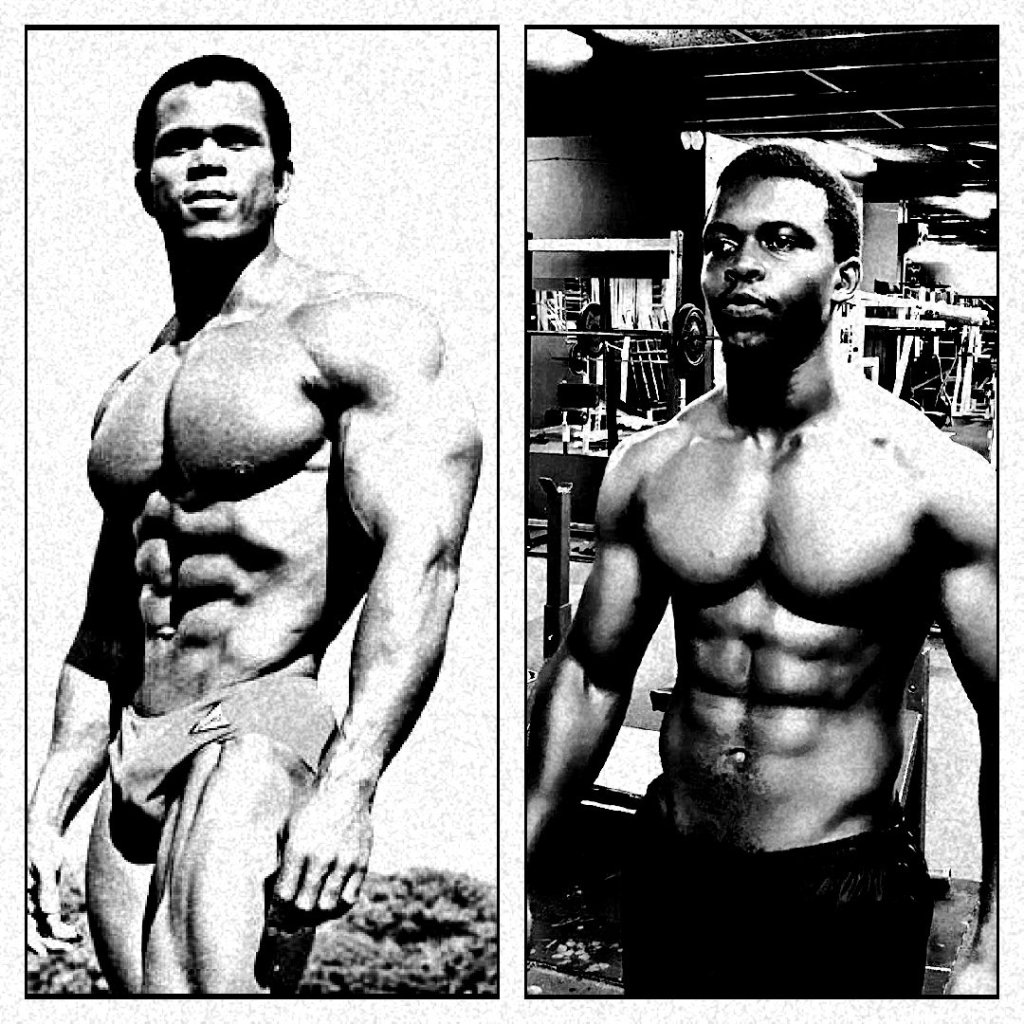
Surge Nubret is my favorite bodybuilders because not only do we share a similar body structure but we share similar ideals when it comes to training. There are only a few people who I look up to and Surge is at the top of that list on a level of his own, I hope I can achieve as much as he achieved and more. I have the upmost respect for him and although we not related… I feel like there’s some kind of relation that surpasses blood relation🩸
- Rich Piana the American bodybuilder
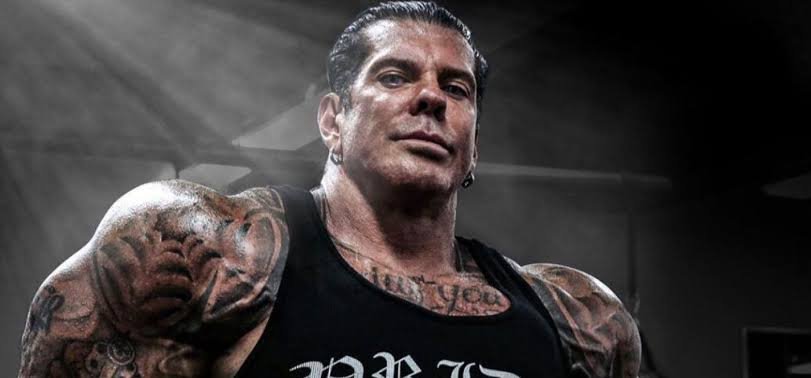
Rich Piana was popular in the weightlifting community for his bodybuilding achievements, openness about steroid use in bodybuilding and its associated consequences, and over-the-top extroverted personality. He maintained a successful YouTube channel which featured motivational speaking, personal life stories, exercise montages, special guest appearances, and insights into his daily life. In his videos, he often spoke of the mentality and drive of “the 5%”, which he said is the percentage of people who are willing to do whatever it takes to achieve their goals. Piana publicly admitted to using anabolic steroids and hormones, including Trenbolone.

- Let’s help our Athletes become more Mentally Stronger
Let’s keep our eyes on our Athletes… What looks good on the outside might not reflect what’s going on, on the inside
- Our Mentality counts!
Let’s open up and talk more about this
- Mental health and Athletes in sports
Although participation in athletics has many benefits, the very nature of competition can provoke, augment, or expose specific psychological issues in athletes. Certain personality traits can aid in athletic success, yet these same traits can also be associated with mental health (MH) disorders. The athletic culture may have an impact on performance and psychological health through its effect on existing personality traits and MH disorders. We will focus on the competitive athlete, from the youth and collegiate athlete to the Olympian and professional athlete, and how the athletic care network and MH care providers can assist with the detection and treatment of psychological issues in this population.
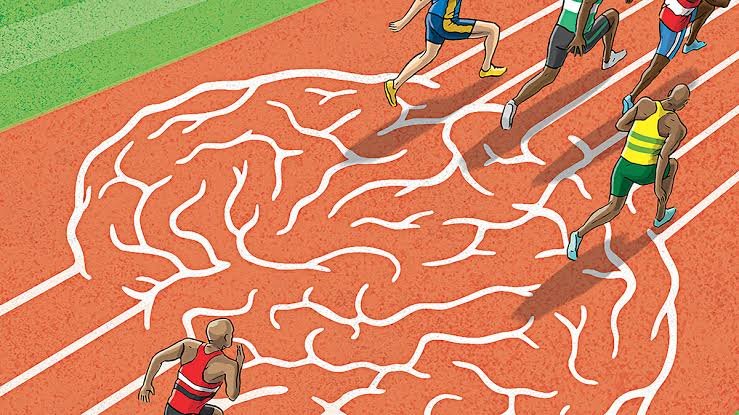
Unique signs and symptoms in athletes, prevalence in the athlete population, and utilization of available screening tools will be reviewed. Specific Diagnostic and Statistical Manual of Mental Disorders diagnostic criteria and the pathophysiology of MH disorders will not be discussed. The discussion of management may include psychosocial approaches and pharmacological treatments, emphasizing the selection of the most effective treatments with the fewest side effects of relevance for athletic performance. Lastly, this paper will present recommendations for prevention, including the identification and possible elimination of risk factors in the athlete population.

- Why mental health is so important
Mental illnesses affect 19% of the adult population, 46% of teenagers and 13% of children each year. People struggling with their mental health may be in your family, live next door, teach your children, work in the next cubicle or sit in the same church pew.
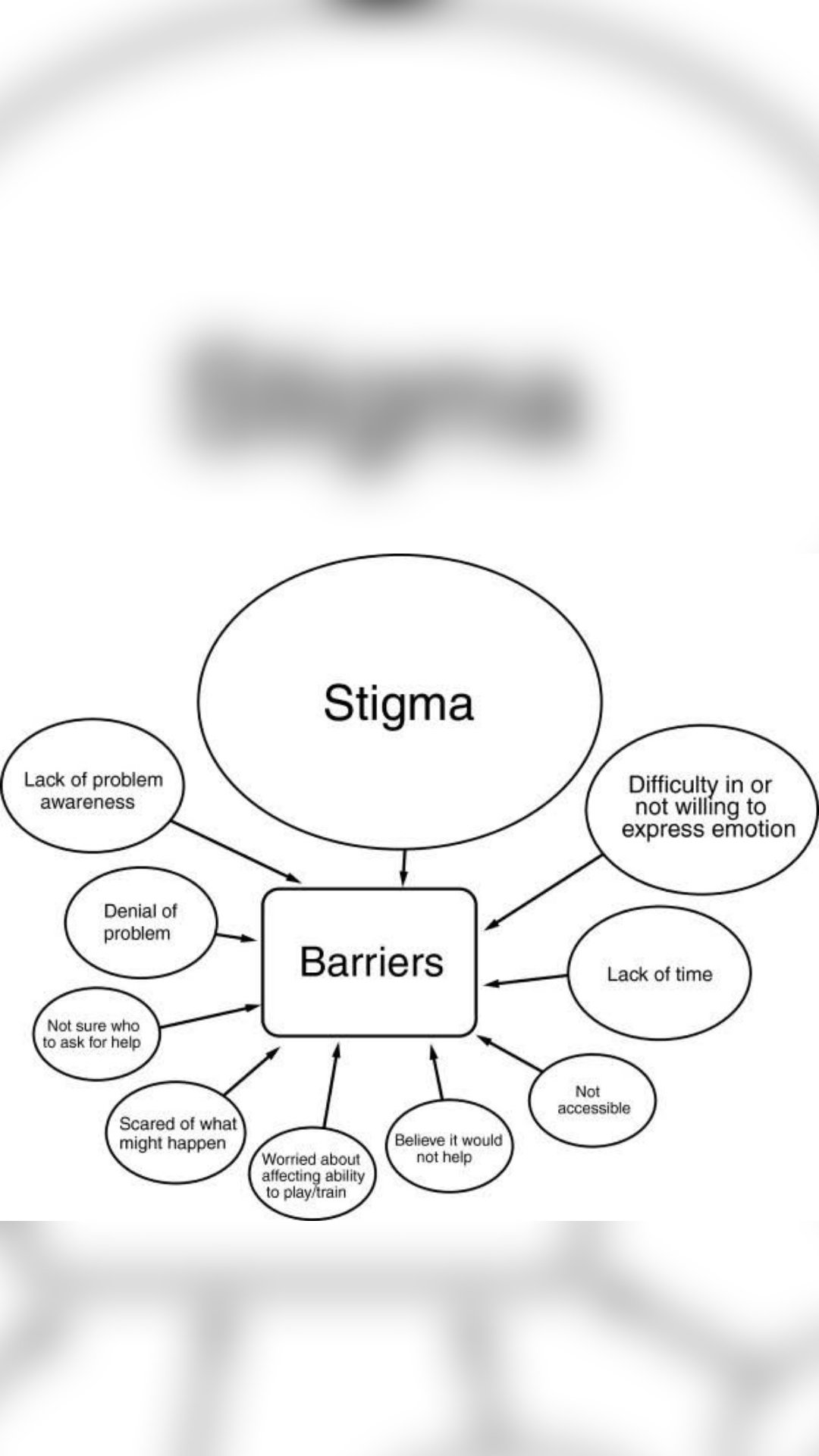
However, only half of those affected receive treatment, often because of the stigma attached to mental health. Untreated, mental illness can contribute to higher medical expenses, poorer performance at school and work, fewer employment opportunities and increased risk of suicide.

- Mental health awareness month

The month of October has been declared Mental Health Awareness Month with the objective of not only educating the public about mental health but also to reduce the stigma and discrimination that people with mental illness are often subjected to.
Mental health problems, such as depression, anxiety, substance abuse and job stress are common, affecting individuals, their families and co-workers, and the broader community. In addition, they have a direct impact on workplaces through increased absen7teeism, reduced productivity, and increased costs. Very few South Africans seek treatment for their mental disorders. Mental illness can be treated at your nearest clinic, hospital or healthcare provider.
Mental health problems are the result of a complex interplay between biological, psychological, social and environmental factors. There is increasing evidence that both the content and context of work can play a role in the development of mental health problems in the workplace.
Key factors include:
workload (both excessive and insufficient work)
lack of participation and control in the workplace
monotonous or unpleasant tasks
role ambiguity or conflict
lack of recognition at work
inequity
poor interpersonal relationships
poor working conditions
poor leadership and communication
conflicting home and work demands.
Whilst the workplace can contribute positively to a person’s mental health, it may also exacerbate an existing problem, or may contribute to the development of a mental health problem. Employers should put in place programmes to promote the mental health of workers, and to ensure that mental health problems are recognised early and treated effectively.
Mental illness can be treated and prevented. If you suspect a mental illness, visit your nearest clinic or doctor.
An estimated 400 million people worldwide suffer from mental or neurological disorders or from psychosocial problems.
Like physical disorders mental and brain disorders vary in severity. There are those that are:
Transient (like an acute stress disorder)
Periodic (like bipolar disorder, characterised by periods of exaggerated elation followed by periods of depression)
Long-lasting and progressive (like Alzheimer’s disease)
Other conditions include:
Schizophrenia
Dementia
Depressive disorder
Obsessive compulsive disorder
Panic disorder
Post traumatic stress disorder
- Positive Benefits of Stressors
- Hormones released during stress boost performance on cognitive tasks and memory
- The narrowing of perspective we get from flight or flight responses keeps us alert and improves processing speed
- Stress can fuel the underlying biological processes implicated in physical recovery and immunity. Research at Stanford has indicated that stress before knee surgery actually helped patients heal significantly faster.
- Stress and adversity can, in some cases, foster mental toughness, deepen social bonds with others, strengthen life priorities and build a sense of purpose and meaning… post traumatic growth
- Good Stressors on one’s Mental health
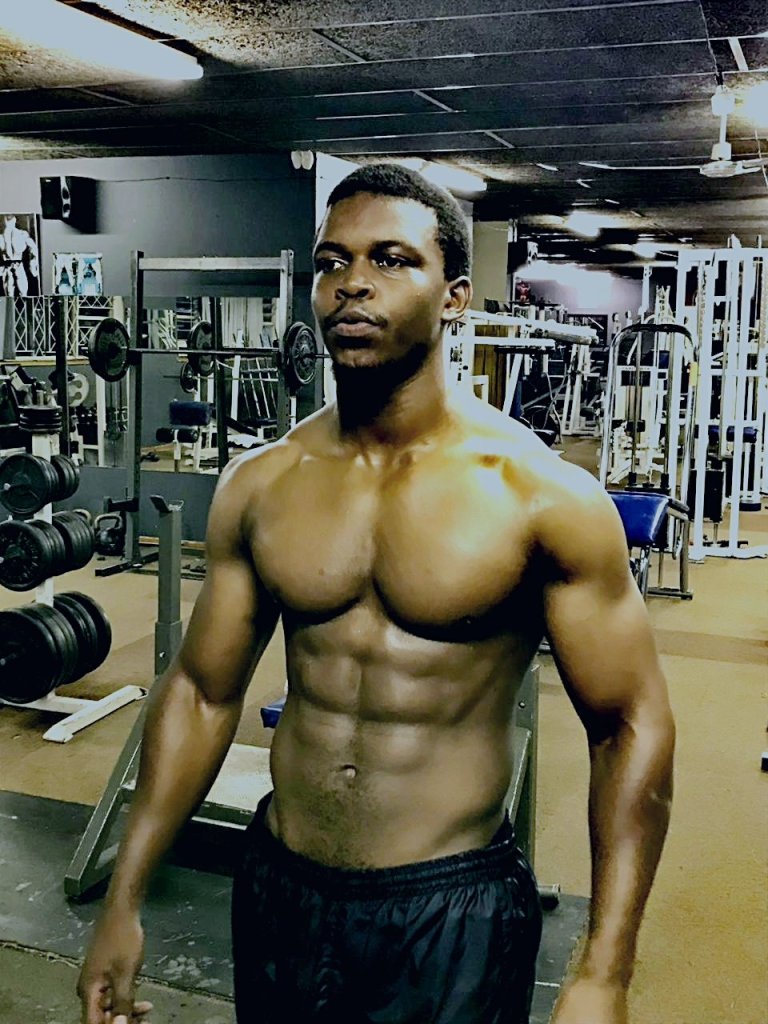
You need a little stress in your life… Without that we drift into nothingness and we get lost with no dreams or ambition… Work to have good stressors in your life
- Made in Klerksdorp…
“Everybody wants to be a bodybuilder but nobody wants to lift no heavy a$$ weights… It’s what takes to be #1”
– Ronnie Coleman
Try to download it to watch it
- Transformations…
There is a season for everything… Whether good or bad we must go through it… Our bad times help shape us and mould us into a stronger better person… And our good times help us remember how to enjoy life
- My life in fitness
Our ability to create comes from our own mental ability to see or virtualize our own desired goals and manifest them into existence
I think you’ll have to download this one to watch it
- Contact sports and the brain
Evidence of the dangers of contact sport is mounting, and now Canadian researchers report that playing sports like football or ice hockey can alter the structure and function of the brain.
Brain scans showed that these changes were particularly pronounced in sports that have the greatest risk of body contact.
“There is growing concern about the risk of collisions in sport. However, most of the research has focused on retired professional athletes with decades of exposure to head impacts,” said lead researcher Nathan Churchill. He’s a post-doctoral fellow in the neuroscience research program at St. Michael’s Hospital in Toronto.
“Far less is known about the consequences of repeated body-to-body contact for young, active athletes,” he said.Churchill and his colleagues scanned the brains of 65 varsity athletes before the playing season began.
“None of the participants had a recent concussion or any major health issues,” Churchill said.
Among the young men and women in the study, 23 played collision sports, such as football and ice hockey, involving routine body-to-body contact.
Twenty-two played contact sports where contact is allowed but isn’t a necessary part of the game, such as basketball, soccer and field hockey. Twenty played non-contact sports, such as volleyball.
The brain scans showed that people who played collision and contact sports had differences in brain structure and function compared to people who took part in non-contact sports.
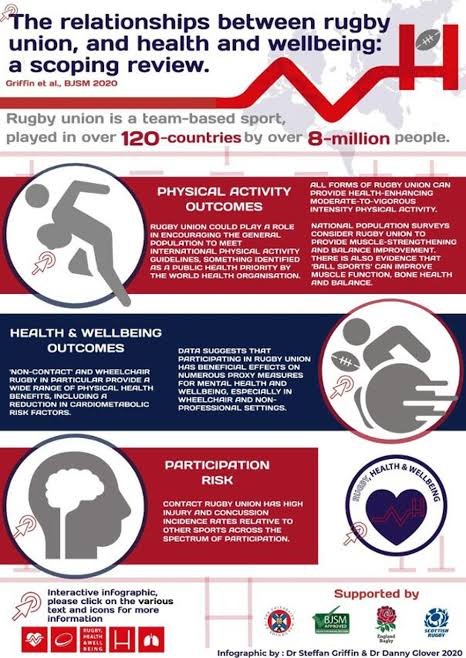
- Preparing for a game
Routines can help get you into the right mindset for rugby. Following a routine takes the guesswork out of pre-game preparation and gives you confidence. If your pre-game routine resulted in success last time, it’s only reasonable to expect the same outcome this time.
- Arrive at the venue with plenty of time to spare
- Put on your playing gear
- Tape up
- Warm up
- Hydrate
- Practice your kicks, passing, lineouts, etc.
- Listen to the pre-game team talk
- Warm up again
Routines are not limited to playing rugby; they can also be useful in the gym too. Use the same setup and pre-lift routine for your gym-based exercise, especially big lifts like squats, deadlifts, bench presses, and cleans. Use the same pre-lift routine for all your sets – both warm-up and work sets.

- Off season training
The off season is the best time to focus on building strength as the stress of collisions and running in games and training is removed.
3 to 5 exercises for 3 to 5 sets of 3 to 5 reps, for example:
Session 1:
Squat – 3 sets of 5
Bench Press – 3 sets of 5
Deadlift – 3 sets of 3
Session 2:Powerclean – 5 sets of 3
Squat – 3 sets of 5
Push Press – 3 sets of 3
Weighted Chin ups – 3 sets of 5
Exercises used should be compound movements (involving more than one joint e.g. hip, knee and ankle in a squat) using free weights. Add enough weight that the last rep of the last set is a struggle but does not ruin your form. If you train 2 or 3 times in one week you will be able to cover each of the 6 movement patterns.
- Coming back with a bang
Excessive fatigue and lack of strength, conditioning, concentration and control exposes one to severe injury in a contact sport such as rugby union. Strong muscles provide stronger, more stable joints, reduce the risk of injury and can tolerate more bumps and bruises.
This is especially important when it comes to the neck or cervical spine. Over the years, players have become fitter, bigger, stronger and faster, and if you are under-developed and not appropriately conditioned, you are at severe risk of getting injured. - Mental health in the NFL
Brandon Marshall has become one of the NFL’s pioneers as it relates to shattering the stigma regarding mental health. The next step for him will include hosting a new show that addresses the issue of mental health in sports. Jada Pinkett Smith’s Red Table Talk Productions is developing The Toughest Opponent, a talk show that will be hosted by Marshall. “A decade ago, I spoke publicly for the first time about my borderline personality disorder diagnosis,” Marshall said earlier this month, via Deadline.com. “Now, I am sharing the mic. I have vowed to make it my life’s purpose to remove the stigma of mental health in sports. I cannot be more excited to partner with Red Table Talk Productions to amplify the powerful truths of my fellow athletes. Mental health is part of the human condition, and athletes shouldn’t be expected to check their humanity at the door. The Toughest Opponent is a place where they will never have to.” More and more athletes have embraced the issue of mental health. Most understand that the people who play the games we watch are human beings, who deal with the same problems that the rest of us encounter. The higher profile and the pressure and the scrutiny and the warped reality of social media only makes it harder. Marshall is at the forefront of those trying to make it a little easier.
- To train the Body… the Mind must first be trained
Having a clear picture of what you want to achieve physically, you must first focus the Mind and let it flow into your spirit… The flow must always be clear and never losing sight of one’s own focus.





You must be logged in to post a comment.