Mental illnesses affect 19% of the adult population, 46% of teenagers and 13% of children each year. People struggling with their mental health may be in your family, live next door, teach your children, work in the next cubicle or sit in the same church pew.
However, only half of those affected receive treatment, often because of the stigma attached to mental health. Untreated, mental illness can contribute to higher medical expenses, poorer performance at school and work, fewer employment opportunities and increased risk of suicide.
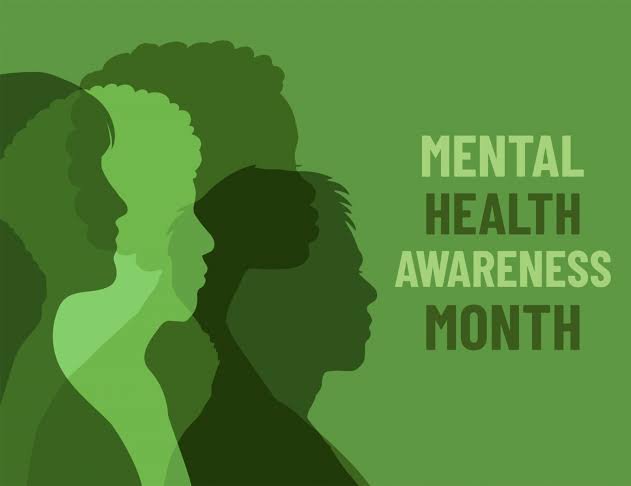
The month of October has been declared Mental Health Awareness Month with the objective of not only educating the public about mental health but also to reduce the stigma and discrimination that people with mental illness are often subjected to.
Mental health problems, such as depression, anxiety, substance abuse and job stress are common, affecting individuals, their families and co-workers, and the broader community. In addition, they have a direct impact on workplaces through increased absen7teeism, reduced productivity, and increased costs. Very few South Africans seek treatment for their mental disorders. Mental illness can be treated at your nearest clinic, hospital or healthcare provider.
Mental health problems are the result of a complex interplay between biological, psychological, social and environmental factors. There is increasing evidence that both the content and context of work can play a role in the development of mental health problems in the workplace.
Key factors include:
workload (both excessive and insufficient work) lack of participation and control in the workplace monotonous or unpleasant tasks role ambiguity or conflict lack of recognition at work inequity poor interpersonal relationships poor working conditions poor leadership and communication conflicting home and work demands.
Whilst the workplace can contribute positively to a person’s mental health, it may also exacerbate an existing problem, or may contribute to the development of a mental health problem. Employers should put in place programmes to promote the mental health of workers, and to ensure that mental health problems are recognised early and treated effectively.
Mental illness can be treated and prevented. If you suspect a mental illness, visit your nearest clinic or doctor.
An estimated 400 million people worldwide suffer from mental or neurological disorders or from psychosocial problems.
Like physical disorders mental and brain disorders vary in severity. There are those that are: Transient (like an acute stress disorder) Periodic (like bipolar disorder, characterised by periods of exaggerated elation followed by periods of depression) Long-lasting and progressive (like Alzheimer’s disease)
Other conditions include: Schizophrenia Dementia Depressive disorder Obsessive compulsive disorder Panic disorder Post traumatic stress disorder
Hormones released during stress boost performance on cognitive tasks and memory
The narrowing of perspective we get from flight or flight responses keeps us alert and improves processing speed
Stress can fuel the underlying biological processes implicated in physical recovery and immunity. Research at Stanford has indicated that stress before knee surgery actually helped patients heal significantly faster.
Stress and adversity can, in some cases, foster mental toughness, deepen social bonds with others, strengthen life priorities and build a sense of purpose and meaning… post traumatic growth
You need a little stress in your life… Without that we drift into nothingness and we get lost with no dreams or ambition… Work to have good stressors in your life
There is a season for everything… Whether good or bad we must go through it… Our bad times help shape us and mould us into a stronger better person… And our good times help us remember how to enjoy life
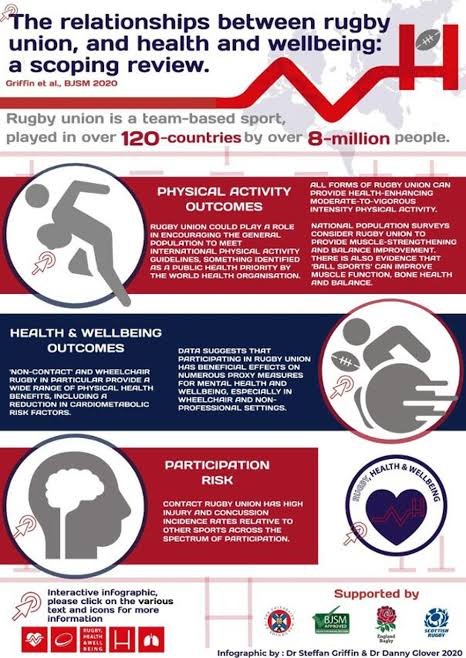
Evidence of the dangers of contact sport is mounting, and now Canadian researchers report that playing sports like football or ice hockey can alter the structure and function of the brain.
Brain scans showed that these changes were particularly pronounced in sports that have the greatest risk of body contact.
“There is growing concern about the risk of collisions in sport. However, most of the research has focused on retired professional athletes with decades of exposure to head impacts,” said lead researcher Nathan Churchill. He’s a post-doctoral fellow in the neuroscience research program at St. Michael’s Hospital in Toronto.
“Far less is known about the consequences of repeated body-to-body contact for young, active athletes,” he said.
Churchill and his colleagues scanned the brains of 65 varsity athletes before the playing season began.
“None of the participants had a recent concussion or any major health issues,” Churchill said.
Among the young men and women in the study, 23 played collision sports, such as football and ice hockey, involving routine body-to-body contact.
Twenty-two played contact sports where contact is allowed but isn’t a necessary part of the game, such as basketball, soccer and field hockey. Twenty played non-contact sports, such as volleyball.
The brain scans showed that people who played collision and contact sports had differences in brain structure and function compared to people who took part in non-contact sports.
Routines can help get you into the right mindset for rugby. Following a routine takes the guesswork out of pre-game preparation and gives you confidence. If your pre-game routine resulted in success last time, it’s only reasonable to expect the same outcome this time.
Routines are not limited to playing rugby; they can also be useful in the gym too. Use the same setup and pre-lift routine for your gym-based exercise, especially big lifts like squats, deadlifts, bench presses, and cleans. Use the same pre-lift routine for all your sets – both warm-up and work sets.
Exercises used should be compound movements (involving more than one joint e.g. hip, knee and ankle in a squat) using free weights. Add enough weight that the last rep of the last set is a struggle but does not ruin your form. If you train 2 or 3 times in one week you will be able to cover each of the 6 movement patterns.






 A Mental game to Health and Fitness
You must be logged in to post a comment.