
Author: Meluleki
My top three role models
RICH PIANA

SURGE NUBRET

ARNOLD SCHWARZENEGGER

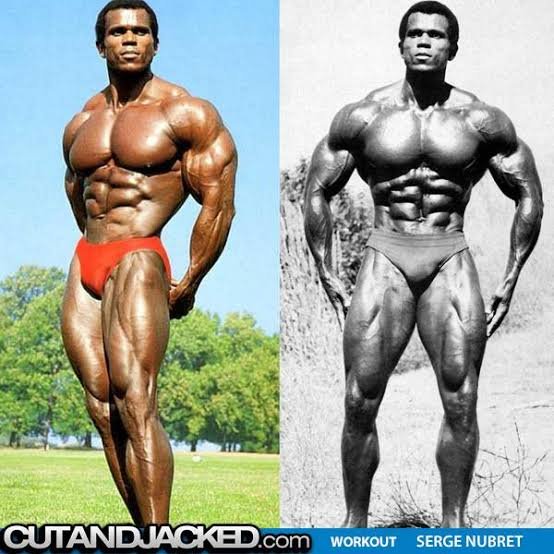
Arnold Schwarzenegger the face of Bodybuilding
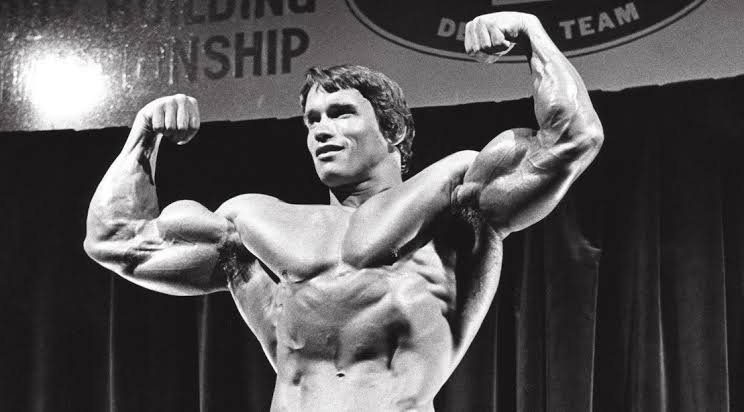
Schwarzenegger was nicknamed the “Austrian Oak” in his bodybuilding days, “Arnie” or “Schwarzy” during his acting career, and “The Governator” during his political career.
Schwarzenegger began lifting weights at the age of 15 and went on to win the Mr. Universe title at age 20, subsequently winning the Mr. Olympia contest seven times; he remains a prominent figure in bodybuilding, and has written many books and articles on it. The Arnold Sports Festival, considered the second-most important bodybuilding event after Mr. Olympia, is named after him.

After retiring from bodybuilding, Schwarzenegger gained worldwide fame as a Hollywood action film star. Having previously appeared in the bodybuilding documentary Pumping Iron (1977), his breakthrough film was the sword-and-sorcery epic Conan the Barbarian (1982), a box-office hit that resulted in a sequel in 1984. He then appeared as the title character in the critically and commercially successful sci-fi film The Terminator (1984), and subsequently played similar characters in the sequels Terminator 2: Judgment Day (1991), Terminator 3: Rise of the Machines (2003), Terminator Genisys (2015), and Terminator: Dark Fate (2019). He also starred in other successful action films such as Commando (1985), The Running Man (1987), Predator (1987), Total Recall (1990), and True Lies (1994), in addition to comedy films such as Twins (1988), Kindergarten Cop (1990), Junior (1994), and Jingle All the Way (1996), and one mixed action/thriller-based comedy, Red Heat (1988). He is the founder of the film production company Oak Productions.
Schwarzenegger began lifting weights at the age of 15 and went on to win the Mr. Universe title at age 20, subsequently winning the Mr. Olympia contest seven times; he remains a prominent figure in bodybuilding, and has written many books and articles on it. The Arnold Sports Festival, considered the second-most important bodybuilding event after Mr. Olympia, is named after him.
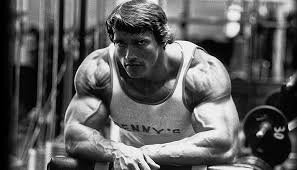
After retiring from bodybuilding, Schwarzenegger gained worldwide fame as a Hollywood action film star. Having previously appeared in the bodybuilding documentary Pumping Iron (1977), his breakthrough film was the sword-and-sorcery epic Conan the Barbarian (1982), a box-office hit that resulted in a sequel in 1984. He then appeared as the title character in the critically and commercially successful sci-fi film The Terminator (1984), and subsequently played similar characters in the sequels Terminator 2: Judgment Day (1991), Terminator 3: Rise of the Machines (2003), Terminator Genisys (2015), and Terminator: Dark Fate (2019). He also starred in other successful action films such as Commando (1985), The Running Man (1987), Predator (1987), Total Recall (1990), and True Lies (1994), in addition to comedy films such as Twins (1988), Kindergarten Cop (1990), Junior (1994), and Jingle All the Way (1996), and one mixed action/thriller-based comedy, Red Heat (1988). He is the founder of the film production company Oak Productions.
Serge Nubret The Black Panther

Nubret was known for an unusual training regimen and an even more unusual diet, which often consisted of four pounds of horse meat per day. In March 2009, Nubret fell into a coma, unfortunately passing away on 19 April 2011 of natural causes.

In 1960 Nubret joined the International Federation of Bodybuilders, and was declared World’s Most Muscular Man in Montreal. Nubret kept improving, winning titles including NABBA Mr. Universe in 1976 (London), WBBG Pro. Mr. World and Mr. Olympus in 1977 (New York) and another World champion title in 1981 (Geneva). In 1983, 23 years after his first world-class achievement he became the WABBA World Champion in Rome, winning his fifth major title. At 65 years old, Nubret offered a last show to his public during the 2003 World championships in France.
Nubret also dedicated himself to the development and promotion of bodybuilding. He became the head of the French and European IFBB bodybuilding federations from 1970 to 1975. In 1975 he founded the World Amateur Body Building Association to host amateur bodybuilding competitions. Serge Nubret would appear in several minor film projects during his career. Nubret was also briefly mentioned in the 1977 documentary “Pumping Iron” about Arnold Schwarzenegger.
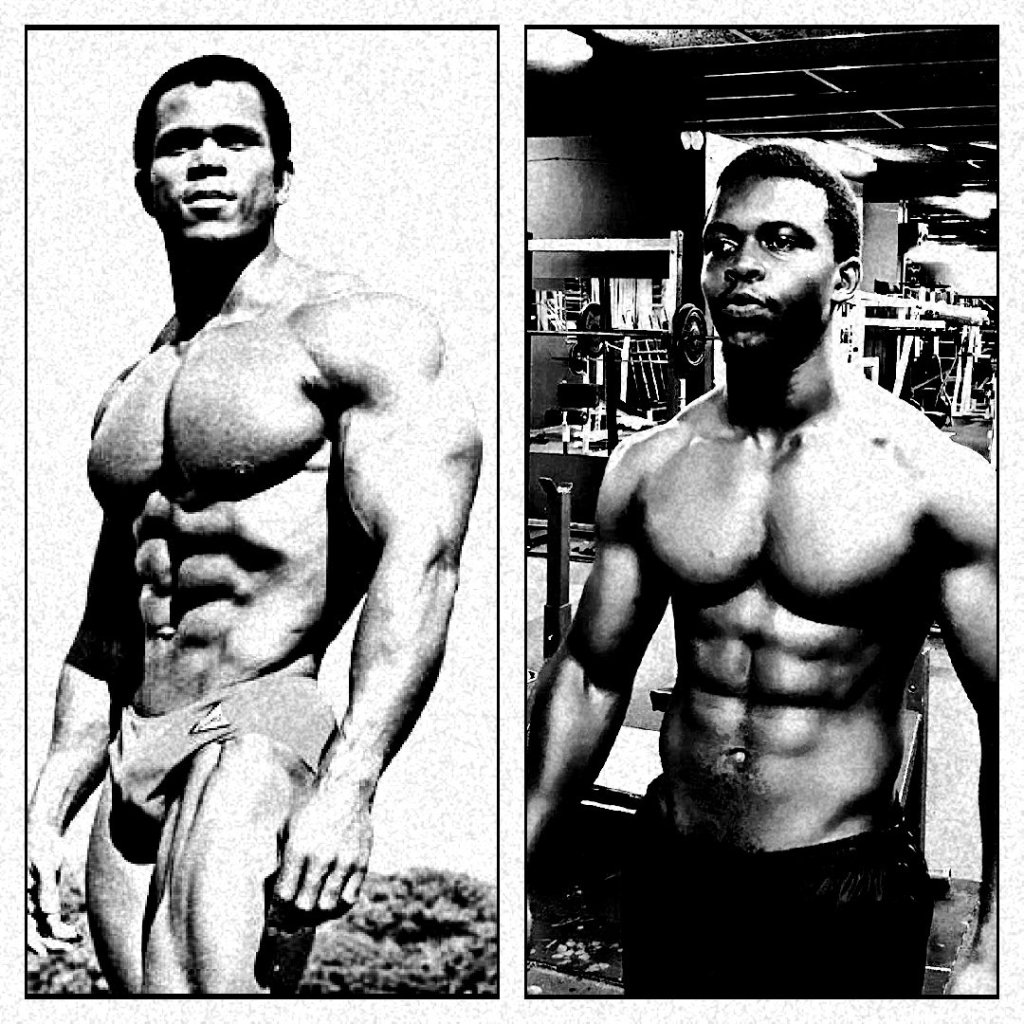
Surge Nubret is my favorite bodybuilders because not only do we share a similar body structure but we share similar ideals when it comes to training. There are only a few people who I look up to and Surge is at the top of that list on a level of his own, I hope I can achieve as much as he achieved and more. I have the upmost respect for him and although we not related… I feel like there’s some kind of relation that surpasses blood relation🩸
Rich Piana the American bodybuilder
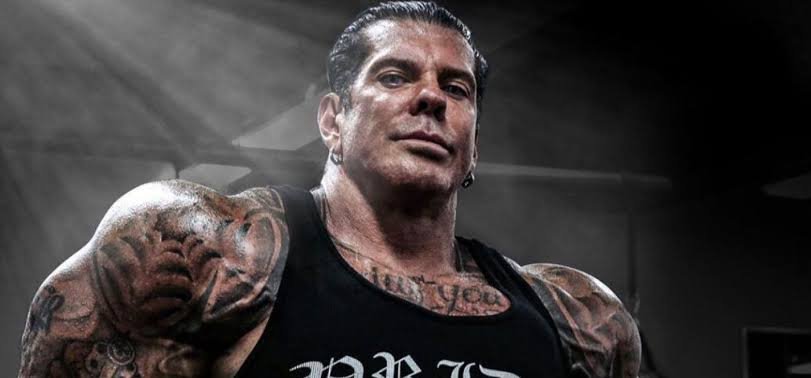
Rich Piana was popular in the weightlifting community for his bodybuilding achievements, openness about steroid use in bodybuilding and its associated consequences, and over-the-top extroverted personality. He maintained a successful YouTube channel which featured motivational speaking, personal life stories, exercise montages, special guest appearances, and insights into his daily life. In his videos, he often spoke of the mentality and drive of “the 5%”, which he said is the percentage of people who are willing to do whatever it takes to achieve their goals. Piana publicly admitted to using anabolic steroids and hormones, including Trenbolone.

Let’s help our Athletes become more Mentally Stronger


Let’s keep our eyes on our Athletes… What looks good on the outside might not reflect what’s going on, on the inside
Our Mentality counts!

Let’s open up and talk more about this
Mental health and Athletes in sports
Although participation in athletics has many benefits, the very nature of competition can provoke, augment, or expose specific psychological issues in athletes. Certain personality traits can aid in athletic success, yet these same traits can also be associated with mental health (MH) disorders. The athletic culture may have an impact on performance and psychological health through its effect on existing personality traits and MH disorders. We will focus on the competitive athlete, from the youth and collegiate athlete to the Olympian and professional athlete, and how the athletic care network and MH care providers can assist with the detection and treatment of psychological issues in this population.
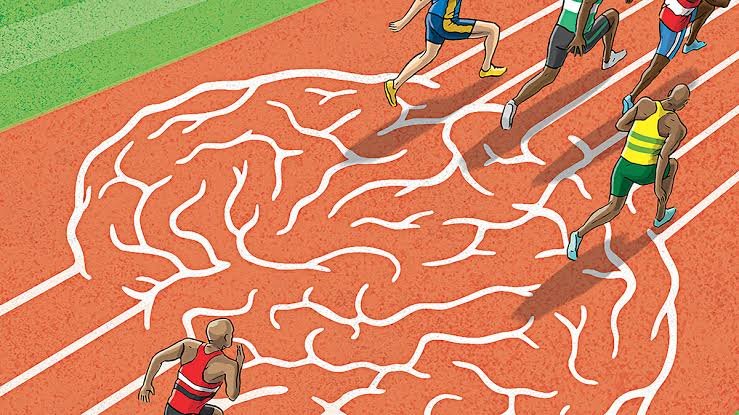
Unique signs and symptoms in athletes, prevalence in the athlete population, and utilization of available screening tools will be reviewed. Specific Diagnostic and Statistical Manual of Mental Disorders diagnostic criteria and the pathophysiology of MH disorders will not be discussed. The discussion of management may include psychosocial approaches and pharmacological treatments, emphasizing the selection of the most effective treatments with the fewest side effects of relevance for athletic performance. Lastly, this paper will present recommendations for prevention, including the identification and possible elimination of risk factors in the athlete population.

 A Mental game to Health and Fitness
You must be logged in to post a comment.