
Category: health and fitness
My top three role models
RICH PIANA

SURGE NUBRET

ARNOLD SCHWARZENEGGER

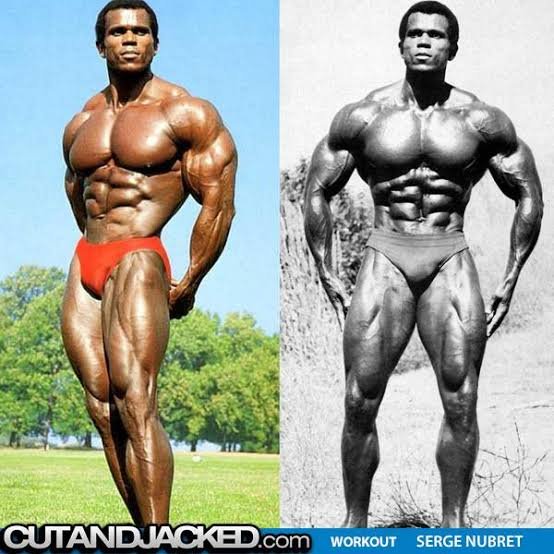
Serge Nubret The Black Panther

Nubret was known for an unusual training regimen and an even more unusual diet, which often consisted of four pounds of horse meat per day. In March 2009, Nubret fell into a coma, unfortunately passing away on 19 April 2011 of natural causes.

In 1960 Nubret joined the International Federation of Bodybuilders, and was declared World’s Most Muscular Man in Montreal. Nubret kept improving, winning titles including NABBA Mr. Universe in 1976 (London), WBBG Pro. Mr. World and Mr. Olympus in 1977 (New York) and another World champion title in 1981 (Geneva). In 1983, 23 years after his first world-class achievement he became the WABBA World Champion in Rome, winning his fifth major title. At 65 years old, Nubret offered a last show to his public during the 2003 World championships in France.
Nubret also dedicated himself to the development and promotion of bodybuilding. He became the head of the French and European IFBB bodybuilding federations from 1970 to 1975. In 1975 he founded the World Amateur Body Building Association to host amateur bodybuilding competitions. Serge Nubret would appear in several minor film projects during his career. Nubret was also briefly mentioned in the 1977 documentary “Pumping Iron” about Arnold Schwarzenegger.
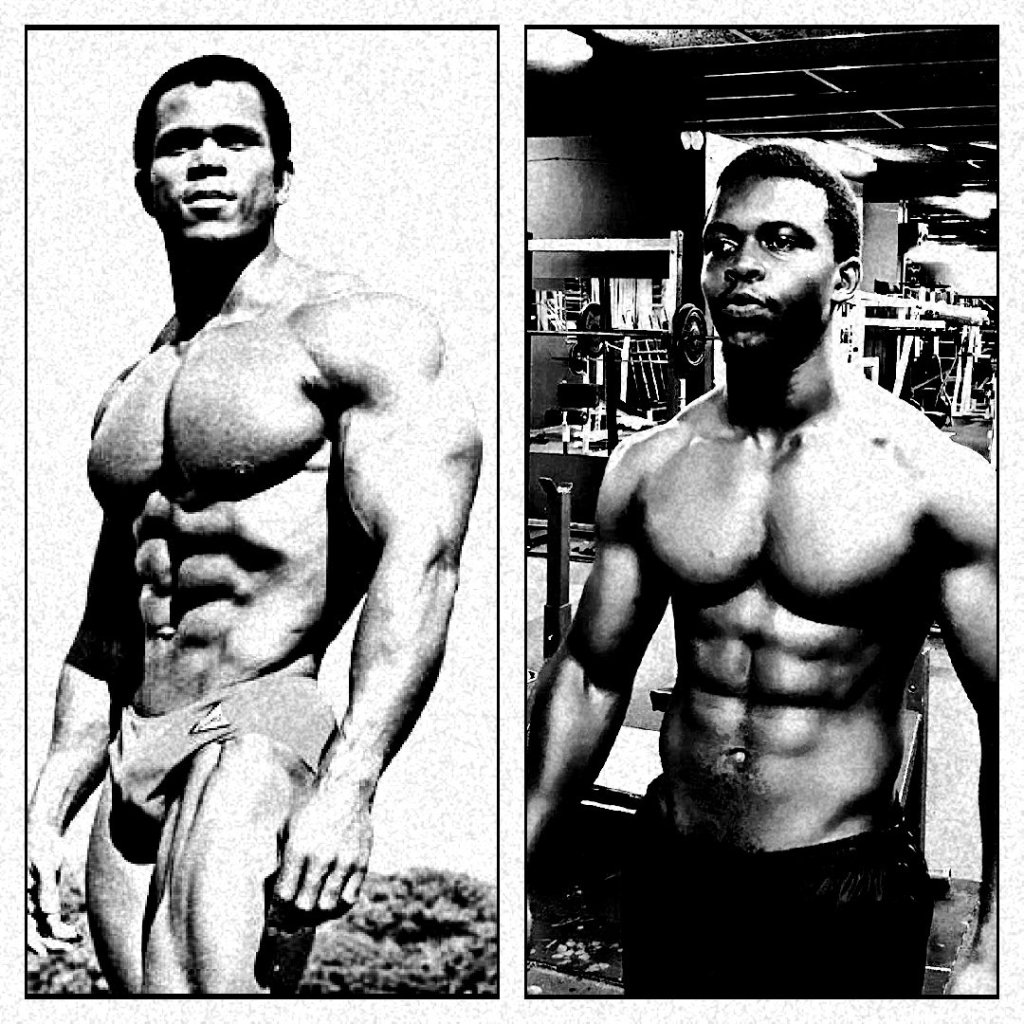
Surge Nubret is my favorite bodybuilders because not only do we share a similar body structure but we share similar ideals when it comes to training. There are only a few people who I look up to and Surge is at the top of that list on a level of his own, I hope I can achieve as much as he achieved and more. I have the upmost respect for him and although we not related… I feel like there’s some kind of relation that surpasses blood relation🩸
Rich Piana the American bodybuilder
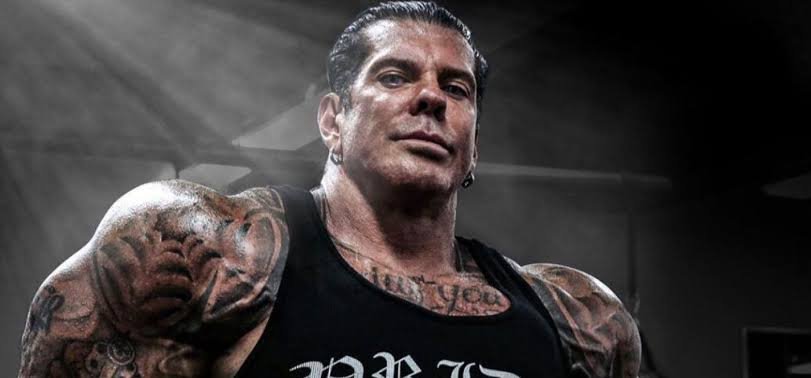
Rich Piana was popular in the weightlifting community for his bodybuilding achievements, openness about steroid use in bodybuilding and its associated consequences, and over-the-top extroverted personality. He maintained a successful YouTube channel which featured motivational speaking, personal life stories, exercise montages, special guest appearances, and insights into his daily life. In his videos, he often spoke of the mentality and drive of “the 5%”, which he said is the percentage of people who are willing to do whatever it takes to achieve their goals. Piana publicly admitted to using anabolic steroids and hormones, including Trenbolone.

Let’s help our Athletes become more Mentally Stronger


Let’s keep our eyes on our Athletes… What looks good on the outside might not reflect what’s going on, on the inside
Our Mentality counts!
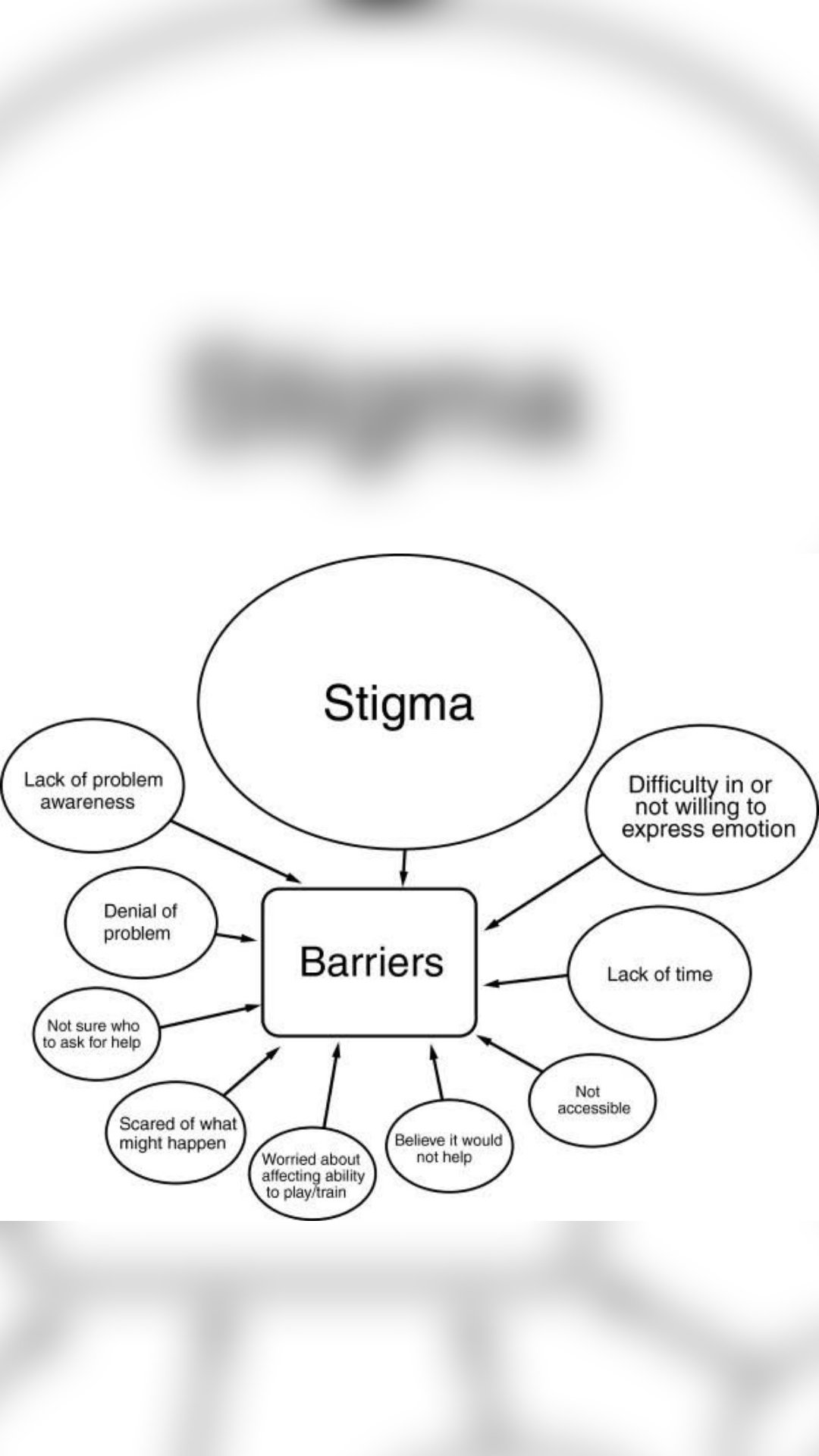
Let’s open up and talk more about this
Mental health and Athletes in sports
Although participation in athletics has many benefits, the very nature of competition can provoke, augment, or expose specific psychological issues in athletes. Certain personality traits can aid in athletic success, yet these same traits can also be associated with mental health (MH) disorders. The athletic culture may have an impact on performance and psychological health through its effect on existing personality traits and MH disorders. We will focus on the competitive athlete, from the youth and collegiate athlete to the Olympian and professional athlete, and how the athletic care network and MH care providers can assist with the detection and treatment of psychological issues in this population.
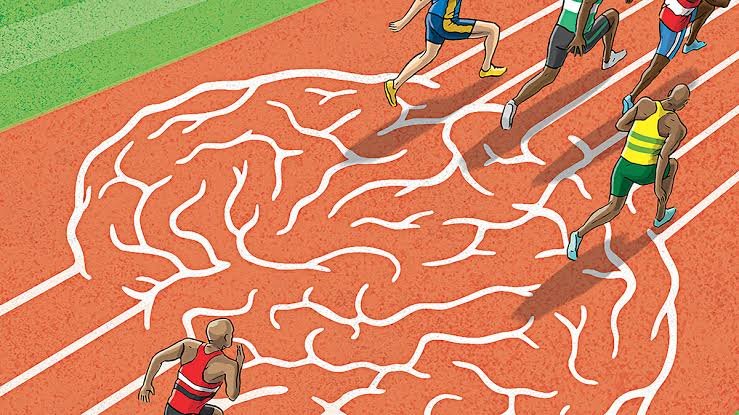
Unique signs and symptoms in athletes, prevalence in the athlete population, and utilization of available screening tools will be reviewed. Specific Diagnostic and Statistical Manual of Mental Disorders diagnostic criteria and the pathophysiology of MH disorders will not be discussed. The discussion of management may include psychosocial approaches and pharmacological treatments, emphasizing the selection of the most effective treatments with the fewest side effects of relevance for athletic performance. Lastly, this paper will present recommendations for prevention, including the identification and possible elimination of risk factors in the athlete population.

Why mental health is so important
Mental illnesses affect 19% of the adult population, 46% of teenagers and 13% of children each year. People struggling with their mental health may be in your family, live next door, teach your children, work in the next cubicle or sit in the same church pew.
However, only half of those affected receive treatment, often because of the stigma attached to mental health. Untreated, mental illness can contribute to higher medical expenses, poorer performance at school and work, fewer employment opportunities and increased risk of suicide.

Mental health awareness month

The month of October has been declared Mental Health Awareness Month with the objective of not only educating the public about mental health but also to reduce the stigma and discrimination that people with mental illness are often subjected to.
Mental health problems, such as depression, anxiety, substance abuse and job stress are common, affecting individuals, their families and co-workers, and the broader community. In addition, they have a direct impact on workplaces through increased absen7teeism, reduced productivity, and increased costs. Very few South Africans seek treatment for their mental disorders. Mental illness can be treated at your nearest clinic, hospital or healthcare provider.
Mental health problems are the result of a complex interplay between biological, psychological, social and environmental factors. There is increasing evidence that both the content and context of work can play a role in the development of mental health problems in the workplace.
Key factors include:
workload (both excessive and insufficient work)
lack of participation and control in the workplace
monotonous or unpleasant tasks
role ambiguity or conflict
lack of recognition at work
inequity
poor interpersonal relationships
poor working conditions
poor leadership and communication
conflicting home and work demands.
Whilst the workplace can contribute positively to a person’s mental health, it may also exacerbate an existing problem, or may contribute to the development of a mental health problem. Employers should put in place programmes to promote the mental health of workers, and to ensure that mental health problems are recognised early and treated effectively.
Mental illness can be treated and prevented. If you suspect a mental illness, visit your nearest clinic or doctor.
An estimated 400 million people worldwide suffer from mental or neurological disorders or from psychosocial problems.
Like physical disorders mental and brain disorders vary in severity. There are those that are:
Transient (like an acute stress disorder)
Periodic (like bipolar disorder, characterised by periods of exaggerated elation followed by periods of depression)
Long-lasting and progressive (like Alzheimer’s disease)
Other conditions include:
Schizophrenia
Dementia
Depressive disorder
Obsessive compulsive disorder
Panic disorder
Post traumatic stress disorder
 A Mental game to Health and Fitness
You must be logged in to post a comment.